In an age where staying connected is more a necessity than a luxury, running out of battery, especially when you’re off the grid, can feel like being stranded. For over a decade, I’ve tested and analyzed countless portable power solutions, and the demand for reliable, independent energy sources has never been higher. This is where an Anker solar power bank becomes more than just a gadget; it’s your lifeline. Whether you’re an avid hiker, a weekend camper, or someone who likes to be prepared for emergencies, understanding how these devices work is key to unlocking true power independence.
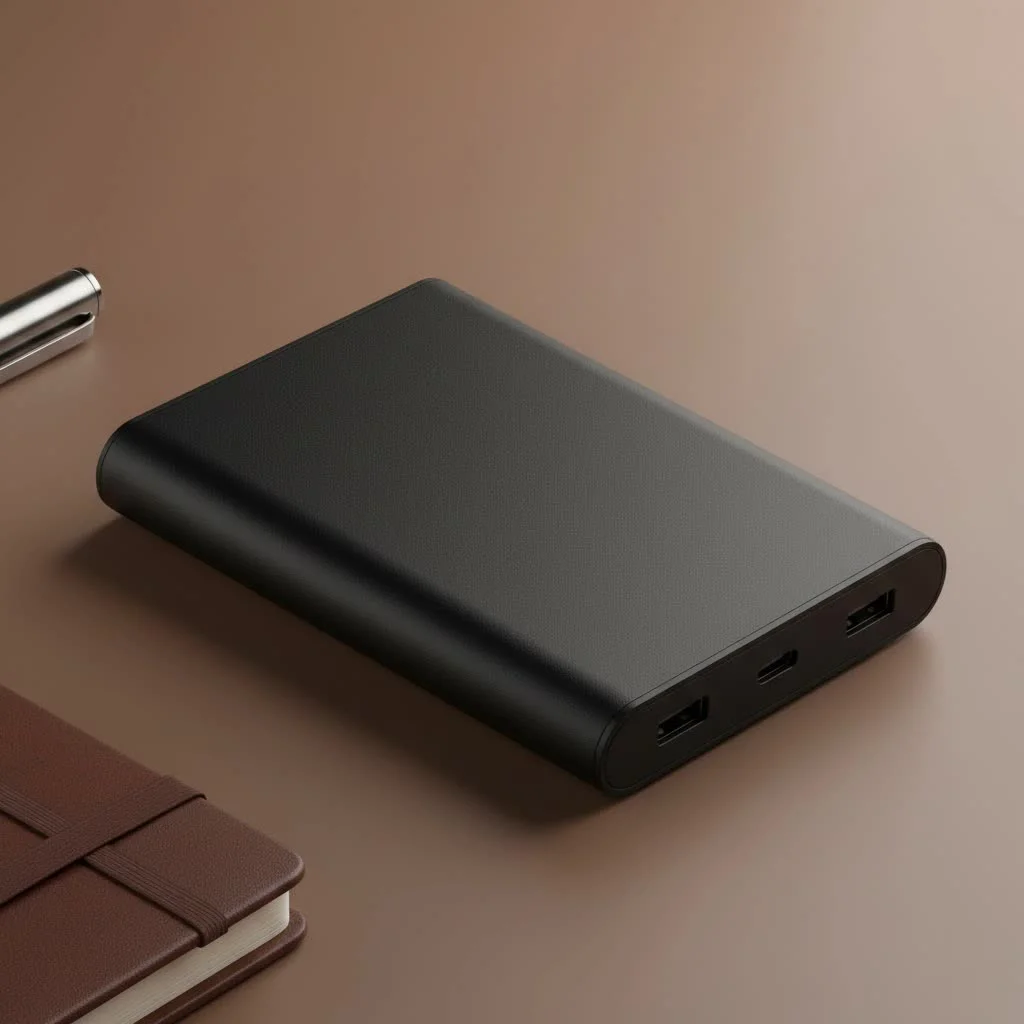
Anker has built a reputation for quality and reliability, and their foray into solar power banks is no exception. These units combine the portability of a standard power bank with the self-sustaining capability of solar panels, offering a promise of near-limitless energy. But how practical are they, and what should you really expect? Let’s dive deep into the world of Anker’s solar charging solutions. For browse all portable power articles on this site.
How Does an Anker Solar Power Bank Actually Work?
At its core, an Anker solar power bank operates on a simple yet brilliant principle. It’s essentially a high-capacity lithium-ion battery pack combined with a set of photovoltaic (PV) panels.
- Capturing Sunlight: The small, integrated solar panels on the surface of the power bank absorb photons from sunlight.
- Converting Energy: This solar energy excites the electrons within the photovoltaic cells, generating a direct current (DC) of electricity.
- Storing Power: The generated electricity is then channeled to the internal battery, where it is stored and ready for use.
- Charging Your Devices: You can then use the stored energy to charge your smartphone, tablet, or any other USB-powered device, just as you would with a regular power bank.
The true magic of an Anker solar power bank lies in its dual-charging capability. You can (and should) charge it fully from a wall outlet before you head out, and then use the solar panels to top it up and extend its usage while you’re exposed to sunlight.
Key Features of an Anker Solar Power Bank
Not all solar chargers are created equal. Anker models, like the popular PowerCore Solar 20000, come packed with features designed for the rugged user.
Battery Capacity (mAh)
This is perhaps the most critical specification. Measured in milliamp-hours (mAh), it tells you how much energy the power bank can store. A 20,000mAh model, for instance, can theoretically charge a modern smartphone (with a ~4,000mAh battery) about four to five times from a full charge.
The Reality of Solar Charging Speeds
|
Our Picks for the Best Power Bank in 2026
As an Amazon Associate I earn from qualifying purchases.
|
||
| Num | Product | Action |
|---|---|---|
| 1 | UGREEN Nexode Power Bank 20000mAh 165W with Built-in USB C Cable Laptop Travel Portable Charger, 100W Input, Fast Charging for MacBook Pro/Air/iPhone 17/16/iPad Pro/Galaxy S25 Ultra/Dell/HP and More |

|
| 2 | Anker Laptop Power Bank, 25,000mAh Portable Charger with Triple 100W USB-C Ports, Built-in Retractable Cables, Flight-Approved for Travel, iPhone 17/16 Series, MacBook, Samsung, and More |
|
| 3 | UGREEN Power Bank 25,000mAh 145W Laptop Portable Charger, Nexode 3-Port USB C PD Battery Pack, for MacBook Pro/Air, Dell XPS, iPhone 17/16/15/14, Galaxy S24, Steam Deck, iPad, and More |
|
| 4 | INIU Portable Charger, Slimmest Fast Charging 10000mAh USB C in/Out Power Bank, 22.5W PD3.0 QC4+ Battery Pack, Portable Phone Charger for iPhone 16 15 14 13 12 Pro Samsung S22 S21 Google AirPods iPad |
|
| 5 | 90000mAh High Capacity Power Bank, 30W Fast Charging Portable Charger PD&QC 3.0, 5 Output 2 Input Large Powerbank with LED Display USB C Battery Pack Charger Portable for Outdoor Camping Travel |
|
| 6 | INIU Portable Charger, Smallest 22.5W 10000mAh Power Bank, USB C in/Output Fast Charging 3-Output Mini Battery Pack Charger with Phone Holder for iPhone 17 16 15 14 Air Samsung S23 Google iPad Tablet |
|
| 7 | Emergency Radio&22000mAh Solar Power Bank, FM NOAA Weather Radio, Portable Hand Crank Bluetooth Radio, 20W Fast Charge Wireless Phone Charger, SOS Flashlight for Emergency/Home |
|
| 8 | Energizer Power Bank 20000mAh - USB-C 20W Outputs Fast Charging Battery Pack, USB-A 18W with 4 Outputs & LCD Screen for Android/iPhone 15 16 Plus Pro Max/iPad Tablet and etc_UE20063PQ |
|
| 9 | Anker Laptop Power Bank, 25,000mAh Portable Charger with Triple 100W USB-C Ports, Built-in Retractable Cables, Flight-Approved for Travel, iPhone 17/16 Series, MacBook, Samsung, and More |
|
| 10 | INIU Power Bank, 25000mAh 100W USB C Laptop Portable Charger, PD QC Fast Charging 3-Output Battery Pack, Travel Charger for Laptop MacBook iPad Tablet Steam Deck iPhone 17 16 15 14 Pro Samsung S25 etc |
|
Here’s where we need to set realistic expectations. The small size of the integrated panels means that charging the power bank from zero to full using only solar power can take a very long time—often several days of direct, bright sunlight. A reviewer noted this very clearly, stating the primary purpose of the solar panel is for trickle charging or emergency situations, not for a primary recharge. Think of the solar feature as a way to supplement the battery and keep it topped off, rather than a way to rapidly charge an empty bank.
“The solar panel on a portable power bank is best viewed as an emergency backup or a trickle charger to extend the battery’s life in the field, not as a primary method for a full recharge,” notes David Chen, a leading expert in portable power technology. “For rapid off-grid charging, larger, separate solar panels are far more effective.”
Durability and Weather Resistance
Anker solar power banks are built for the outdoors. Models often feature an IP65 rating, which means they are dustproof and resistant to water splashes. This, combined with a rugged, rubberized exterior, ensures the device can withstand the bumps, drops, and light rain that come with outdoor adventures.
Useful Extra Features
Many Anker models include built-in extras that prove invaluable on the trail. A powerful LED flashlight with multiple modes, including an SOS signal, is a common feature that adds a layer of safety and utility to the device.
Is an Anker Solar Power Bank the Right Choice for You?
To decide if this gadget deserves a spot in your backpack, let’s weigh the pros and cons based on real-world use cases.
Pros:
- Energy Independence: The ability to trickle-charge using the sun provides a valuable backup when no outlets are available.
- High Capacity: With models typically offering 10,000mAh to 20,000mAh, you can keep multiple devices charged for days.
- Built for Adventure: Rugged construction, water resistance, and built-in flashlights make them perfect companions for camping and hiking.
- Trusted Brand: Anker is known for reliable battery technology and accurate capacity ratings.
Cons:
- Slow Solar Charging: The primary limitation is the time it takes to charge via sunlight alone. It is not a replacement for a wall charger.
- Weight: The combination of a large battery and solar panels makes them heavier than standard power banks of similar capacity.
For the serious adventurer who needs more significant solar charging capabilities, pairing a standard power bank with a larger, foldable panel like the Anker PowerPort 21W might be a more efficient solution. This setup offers much faster solar charging speeds, capable of replenishing a battery pack in hours rather than days.
Maximizing the Performance of Your Solar Charger
To get the most out of your Anker solar power bank, follow these simple tips:
- Pre-charge at Home: Always start your trip with the power bank fully charged from a wall outlet.
- Angle for the Sun: Position the panels directly facing the sun. Even a slight angle can significantly impact charging efficiency.
- Keep it Cool: While it needs sun, don’t let the power bank overheat. Excessive heat can degrade battery life. Place it in a well-ventilated spot.
- Be Patient: Understand that solar charging is a slow process. Use it to top off the battery throughout the day whenever you have sunlight.
Frequently Asked Questions (FAQ)
How long does it take to fully charge an Anker solar power bank with just the sun?
This heavily depends on the model, battery capacity, and sunlight conditions. For a 20,000mAh power bank, it can take 40-60 hours of direct, intense sunlight. It is not practical for a single trip and is meant for supplemental power.
Can I charge the power bank and my phone at the same time?
Most Anker models support pass-through charging, but it’s generally not recommended as it can generate extra heat and reduce the overall efficiency of the charging process.
Is an Anker solar power bank waterproof?
They are typically water-resistant (IP65 rated), meaning they can handle splashes of rain or being dropped in a puddle. They are not designed to be submerged in water.
What devices can I charge with it?
You can charge any device that uses a USB port, including smartphones, tablets, headphones, smartwatches, and GPS units. The USB-C ports on newer models can even provide faster charging for compatible devices.
Is the solar panel durable?
Yes, the panels are designed to be part of the rugged exterior. They are protected by a bezel and can withstand minor impacts common in outdoor use.
The Final Verdict
An Anker solar power bank is an excellent tool for anyone who spends time away from traditional power sources. It offers a reliable, high-capacity battery with the added security of a solar trickle-charge function for emergencies. While it’s crucial to have realistic expectations about its solar charging speed, its durability and well-designed features make it a valuable piece of gear. For the casual camper or emergency prepper, it provides peace of mind in a rugged package. For the hardcore trekker, it serves as a fantastic supplement to a larger, more powerful solar setup.
Get our weekly buyer guide
Practical specs, not advice. Unsubscribe anytime.