The best Anker power bank for most users is the Anker Nano Power Bank (10,000mAh, 30W) due to its balance of portability, power, and convenience, featuring an integrated USB-C cable and rapid 30W output. Anker consistently stands out for its innovation, reliability, and performance in portable power solutions, offering proprietary PowerIQ technology and advanced MultiProtect safety features.
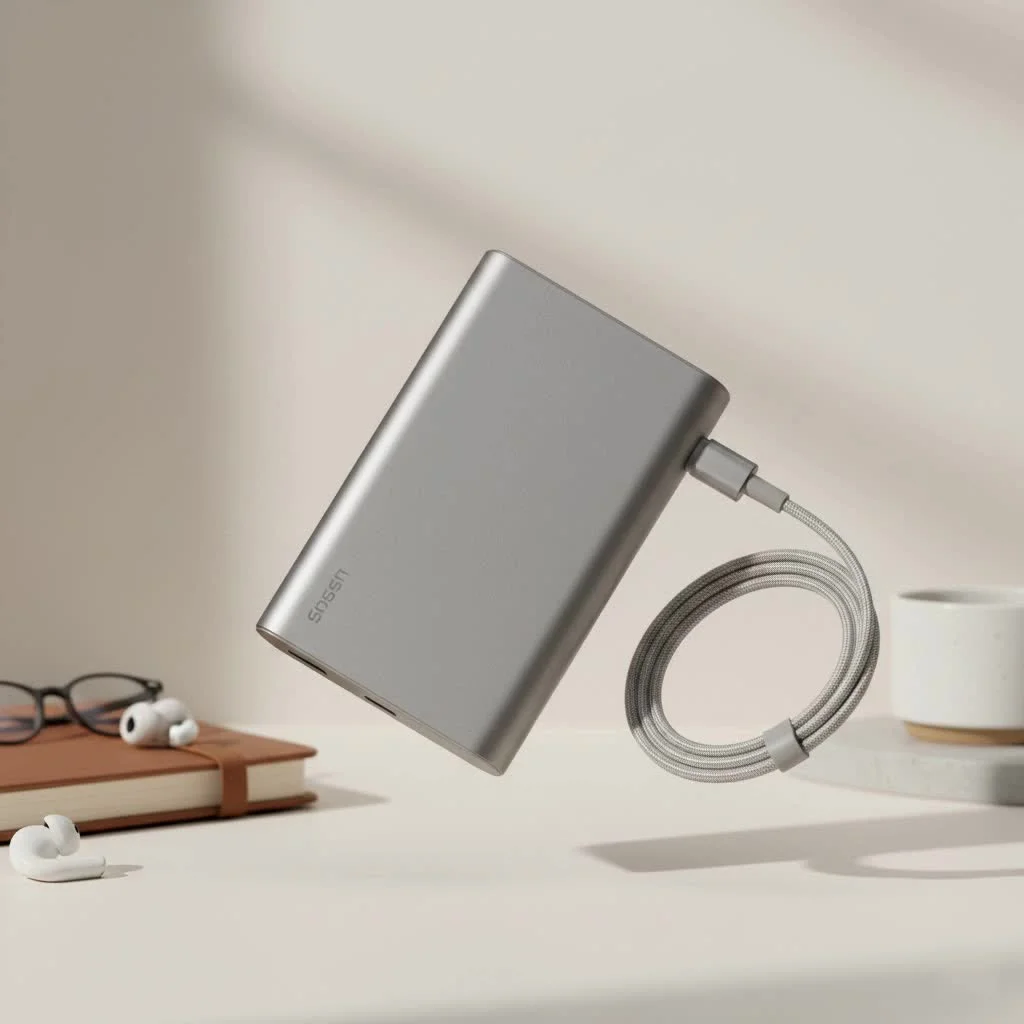
This guide details our top Anker power bank picks for 2025, explaining their standout features and ideal users. Whether you’re a digital nomad needing laptop power, a commuter seeking a pocket-friendly boost, or a traveler preparing for adventure, we have a recommendation.
Why Choose an Anker Power Bank?
Anker has built its reputation on modern technology and user-centric design. Their proprietary PowerIQ technology intelligently identifies your device to deliver the fastest possible charge, while advanced safety features like their MultiProtect system prevent overcharging and short-circuiting. This commitment to both speed and safety is why millions of users trust Anker to power their essential electronics.
“When people ask me what to look for in a power bank, I always point to Anker’s balance of efficiency and safety,” says Mark Chen, a lead engineer at Pvhao specializing in portable power solutions. “They consistently use high-quality battery cells and advanced circuitry, which not only ensures a fast charge but also protects the long-term health of your device’s battery. That peace of mind is invaluable.”
How to Choose the Best Anker Power Bank for You
To find your ideal match, consider a few key factors. It’s not about finding the single best product, but the best product for your lifestyle.
Capacity (mAh): How Much Power Do You Need?
The capacity of a power bank is measured in milliampere-hours (mAh). This number indicates how much energy the battery can store.
- 10,000mAh: This is the sweet spot for daily use. A 10,000mAh power bank is typically compact enough for a pocket or small bag and can provide about two full charges for most modern smartphones, like an iPhone 15 or Samsung Galaxy S24.
- 20,000mAh – 27,650mAh: This range is ideal for travelers, power users, or those who need to charge multiple devices. These larger units can charge a smartphone multiple times, power a tablet, or significantly boost a laptop. They are heavier and bulkier but are lifesavers on long flights or camping trips.
Charging Speed and Technology (Watts & PD)
Wattage (W) determines how fast a power bank can charge your devices. Modern smartphones and laptops use USB-C Power Delivery (PD) for rapid charging. To utilize these speeds, your power bank must support PD.
- Up to 30W: Excellent for fast-charging smartphones and tablets. A 30W output can typically charge a compatible phone to 50% in about 30 minutes.
- 65W and above: This is essential for charging laptops. Most modern ultrabooks, like a MacBook Air, charge efficiently with a 65W output. For more powerful machines like a MacBook Pro, look for models with 100W or higher.
Ports and Connectivity
|
Our Picks for the Best Power Bank in 2026
As an Amazon Associate I earn from qualifying purchases.
|
||
| Num | Product | Action |
|---|---|---|
| 1 | Emergency Radio&22000mAh Solar Power Bank, FM NOAA Weather Radio, Portable Hand Crank Bluetooth Radio, 20W Fast Charge Wireless Phone Charger, SOS Flashlight for Emergency/Home |

|
| 2 | 90000mAh High Capacity Power Bank, 30W Fast Charging Portable Charger PD&QC 3.0, 5 Output 2 Input Large Powerbank with LED Display USB C Battery Pack Charger Portable for Outdoor Camping Travel |
|
| 3 | INIU Portable Charger, Smallest 22.5W 10000mAh Power Bank, USB C in/Output Fast Charging 3-Output Mini Battery Pack Charger with Phone Holder for iPhone 17 16 15 14 Air Samsung S23 Google iPad Tablet |
|
| 4 | INIU Power Bank, 25000mAh 100W USB C Laptop Portable Charger, PD QC Fast Charging 3-Output Battery Pack, Travel Charger for Laptop MacBook iPad Tablet Steam Deck iPhone 17 16 15 14 Pro Samsung S25 etc |
|
| 5 | Anker Laptop Power Bank, 25,000mAh Portable Charger with Triple 100W USB-C Ports, Built-in Retractable Cables, Flight-Approved for Travel, iPhone 17/16 Series, MacBook, Samsung, and More |
|
| 6 | Anker Laptop Power Bank, 25,000mAh Portable Charger with Triple 100W USB-C Ports, Built-in Retractable Cables, Flight-Approved for Travel, iPhone 17/16 Series, MacBook, Samsung, and More |
|
| 7 | UGREEN Nexode Power Bank 20000mAh 165W with Built-in USB C Cable Laptop Travel Portable Charger, 100W Input, Fast Charging for MacBook Pro/Air/iPhone 17/16/iPad Pro/Galaxy S25 Ultra/Dell/HP and More |
|
| 8 | UGREEN Power Bank 25,000mAh 145W Laptop Portable Charger, Nexode 3-Port USB C PD Battery Pack, for MacBook Pro/Air, Dell XPS, iPhone 17/16/15/14, Galaxy S24, Steam Deck, iPad, and More |
|
| 9 | INIU Portable Charger, Slimmest Fast Charging 10000mAh USB C in/Out Power Bank, 22.5W PD3.0 QC4+ Battery Pack, Portable Phone Charger for iPhone 16 15 14 13 12 Pro Samsung S22 S21 Google AirPods iPad |
|
| 10 | Energizer Power Bank 20000mAh - USB-C 20W Outputs Fast Charging Battery Pack, USB-A 18W with 4 Outputs & LCD Screen for Android/iPhone 15 16 Plus Pro Max/iPad Tablet and etc_UE20063PQ |
|
Consider what devices you’ll be charging. Most new Anker power banks feature at least one USB-C port (handling both input and output) and a USB-A port for older devices. Some high-end models offer multiple USB-C ports, allowing simultaneous charging of a laptop and a phone.
Our Top Picks for the Best Anker Power Bank in 2025
After extensive testing and review, here are our top recommendations, tailored for different needs and use cases.
Best Overall: Anker Nano Power Bank (10,000mAh, 30W)
For the vast majority of users, the Anker Nano Power Bank with its built-in USB-C cable hits the perfect balance of portability, power, and convenience. Its 10,000mAh capacity is ample for a full day of heavy phone use, and the 30W USB-C output provides a rapid charge to the latest iPhones and Android devices.
The integrated USB-C cable is a major upgrade, eliminating the need to carry a separate cord that can get lost or tangled. The compact design and a handy display showing the remaining battery percentage make it an incredibly practical choice for everyday carry.
Best for Laptops & Power Users: Anker 737 Power Bank (PowerCore 24K)
If you use a laptop frequently, the Anker 737 is your ultimate power companion. With a massive 24,000mAh capacity and a staggering 140W max output, this power bank can charge a MacBook Pro at nearly full speed. It’s perfect for digital nomads working from cafes or anyone facing a long-haul flight.
The brilliant color screen provides real-time data on power output per port, input speed, and remaining battery life, giving you complete control over your power management. Despite its immense power, it’s still compact enough to slide into a backpack’s water bottle pocket.
Best for Portability: Anker PowerCore Slim 10K
When size and weight are top priorities, the Anker PowerCore Slim 10K is an unbeatable choice. As one of the thinnest and lightest 10,000mAh power banks Anker offers, it can slip into a pocket or clutch without adding noticeable bulk.
While it doesn’t offer the ultra-fast charging speeds of its more advanced siblings, its PowerIQ technology ensures a safe and efficient charge for your smartphone. It’s a simple, no-frills, and incredibly reliable power bank that provides at least two full charges for most phones, making it perfect for nights out or as a just-in-case backup.
Best for iPhone Users: Anker MagGo Power Bank (10,000mAh)
For those in the Apple ecosystem, the Anker MagGo Power Bank is a superb choice. It leverages the latest Qi2 wireless charging standard to deliver a fast 15W charge—the same speed as Apple’s official MagSafe charger—without any wires. The magnets are exceptionally strong, ensuring a secure connection to your iPhone.
What elevates this model is its clever design. It features a built-in, foldable stand, allowing you to prop your phone up in either portrait or landscape mode while it charges. This makes it perfect for watching videos on a train or taking FaceTime calls at your desk.
Frequently Asked Questions (FAQ)
Can I take an Anker power bank on an airplane?
Yes, you can take an Anker power bank on an airplane, provided it meets TSA regulations. Power banks are limited to 100 watt-hours (Wh) and must be kept in your carry-on luggage, not checked bags. Models like the Anker 737 (24,000mAh) and Anker Prime (27,650mAh) are generally flight-approved as they fall just under this limit.
How long does it take to recharge an Anker power bank?
The recharge time for an Anker power bank depends on its capacity and the input wattage of the charger. A 10,000mAh power bank, such as the Anker Nano, can fully recharge in just a few hours with a 30W wall charger. Larger models like the Anker 737 (24,000mAh) can be fully recharged in under an hour using a high-wattage (100W+) charger.
What is the lifespan of an Anker power bank?
Anker power banks are designed for longevity, offering hundreds of full charge and discharge cycles before significant battery capacity degradation. With proper care, users can expect several years of reliable service from their Anker power bank. This durability is due to their use of high-quality components.
What’s the difference between PowerIQ and Power Delivery?
Power Delivery (PD) is a universal fast-charging standard primarily used over USB-C for modern devices like laptops and smartphones. PowerIQ is Anker’s proprietary smart-charging technology that intelligently identifies devices for optimal charging. Newer versions, such as PowerIQ 3.0, are fully compatible with Power Delivery, combining intelligent device recognition with universal high-speed charging.
Final Thoughts: Powering Your Life with Confidence
Choosing the best Anker power bank is an investment in convenience and peace of mind. By evaluating your daily needs against key factors like capacity, charging speed, and portability, you can select a model that seamlessly integrates into your life. Whether you go for the all-around excellence of the Anker Nano, the incredible power of the Anker 737, or the sleek convenience of the MagGo, you’re getting a product backed by a legacy of quality and innovation. Don’t let a low battery warning slow you down; pick the right Anker power bank and stay confidently charged, wherever you go.
Frequently Asked Questions
Can I take an Anker power bank on an airplane?
Yes, you can take an Anker power bank on an airplane, provided it meets TSA regulations. Power banks are limited to 100 watt-hours (Wh) and must be kept in your carry-on luggage, not checked bags. Models like the Anker 737 (24,000mAh) and Anker Prime (27,650mAh) are generally flight-approved as they fall just under this limit.
How long does it take to recharge an Anker power bank?
The recharge time for an Anker power bank depends on its capacity and the input wattage of the charger. A 10,000mAh power bank, such as the Anker Nano, can fully recharge in just a few hours with a 30W wall charger. Larger models like the Anker 737 (24,000mAh) can be fully recharged in under an hour using a high-wattage (100W+) charger.
What is the lifespan of an Anker power bank?
Anker power banks are designed for longevity, offering hundreds of full charge and discharge cycles before significant battery capacity degradation. With proper care, users can expect several years of reliable service from their Anker power bank. This durability is due to their use of high-quality components.
What's the difference between PowerIQ and Power Delivery?
Power Delivery (PD) is a universal fast-charging standard primarily used over USB-C for modern devices like laptops and smartphones. PowerIQ is Anker's proprietary smart-charging technology that intelligently identifies devices for optimal charging. Newer versions, such as PowerIQ 3.0, are fully compatible with Power Delivery, combining intelligent device recognition with universal high-speed charging.
Which Anker power bank is best for daily use?
For daily use, the Anker Nano Power Bank (10,000mAh, 30W) is highly recommended. Its 10,000mAh capacity is sufficient for about two full smartphone charges, and its compact design with an integrated USB-C cable makes it convenient for everyday carry. The 30W output ensures rapid charging for most modern phones.
How to Choose the Best Anker Power Bank
To select the ideal Anker power bank, consider capacity, charging speed, and port types based on your specific devices and usage habits.
Assess how much power you need. For daily smartphone use, a 10,000mAh power bank provides about two full charges. For travelers or laptop users, consider 20,000mAh to 27,650mAh for multiple device charges or laptop support.
Check the wattage and Power Delivery (PD) support. Up to 30W is excellent for fast-charging smartphones and tablets, often reaching 50% charge in 30 minutes. For laptops, 65W or higher is essential, with 100W+ recommended for powerful machines like a MacBook Pro.
Identify the types and number of ports you need. Most new Anker power banks include at least one USB-C port (for input and output) and a USB-A port. High-end models may offer multiple USB-C ports for simultaneous charging of several devices.
Get our weekly buyer guide
Practical specs, not advice. Unsubscribe anytime.

I’ve been an Anker fan for years because of their reliability, and this guide helped me pick out a new one for my upcoming trip. I went with one of the larger capacity options mentioned for travelers, and it’s been great for keeping my laptop charged. The PowerIQ technology really does seem to make a difference in charging speed for all my devices. It’s a bit bulkier than my old one, but worth it for the extra juice.
I finally pulled the trigger on the Anker Nano Power Bank after reading about it here, and it’s been a game-changer for my daily commute. The integrated USB-C cable is so convenient; I don’t have to remember to grab an extra cord anymore. It charges my phone super fast, and the 10,000mAh capacity gets me through a couple of days without needing a wall outlet. Definitely recommend for anyone on the go!
I got an Anker power bank based on the recommendation for digital nomads, specifically for its 30W output. While it does charge my tablet quickly, I found the battery life to be a little less than I expected for its size. It’s still a solid product with good safety features, but I was hoping for a bit more longevity between charges. Maybe I just use it more intensely than average.
Anker’s MultiProtect safety features were a big selling point for me, and I appreciate that this guide highlighted them. I’ve had some bad experiences with cheaper power banks in the past, so knowing I’m getting a safe and reliable product is important. The performance has been flawless, and it handles multiple devices without any issues. Great for peace of mind.