Have you ever been on a perfect camping trip, only to have your phone die? Or perhaps you’ve faced a power outage at home, feeling completely disconnected. In a world that runs on electricity, losing power is more than an inconvenience. This is where a Jackery power bank, more accurately known as a portable power station, becomes an absolute game-changer, providing reliable, off-grid electricity whenever and wherever you need it.
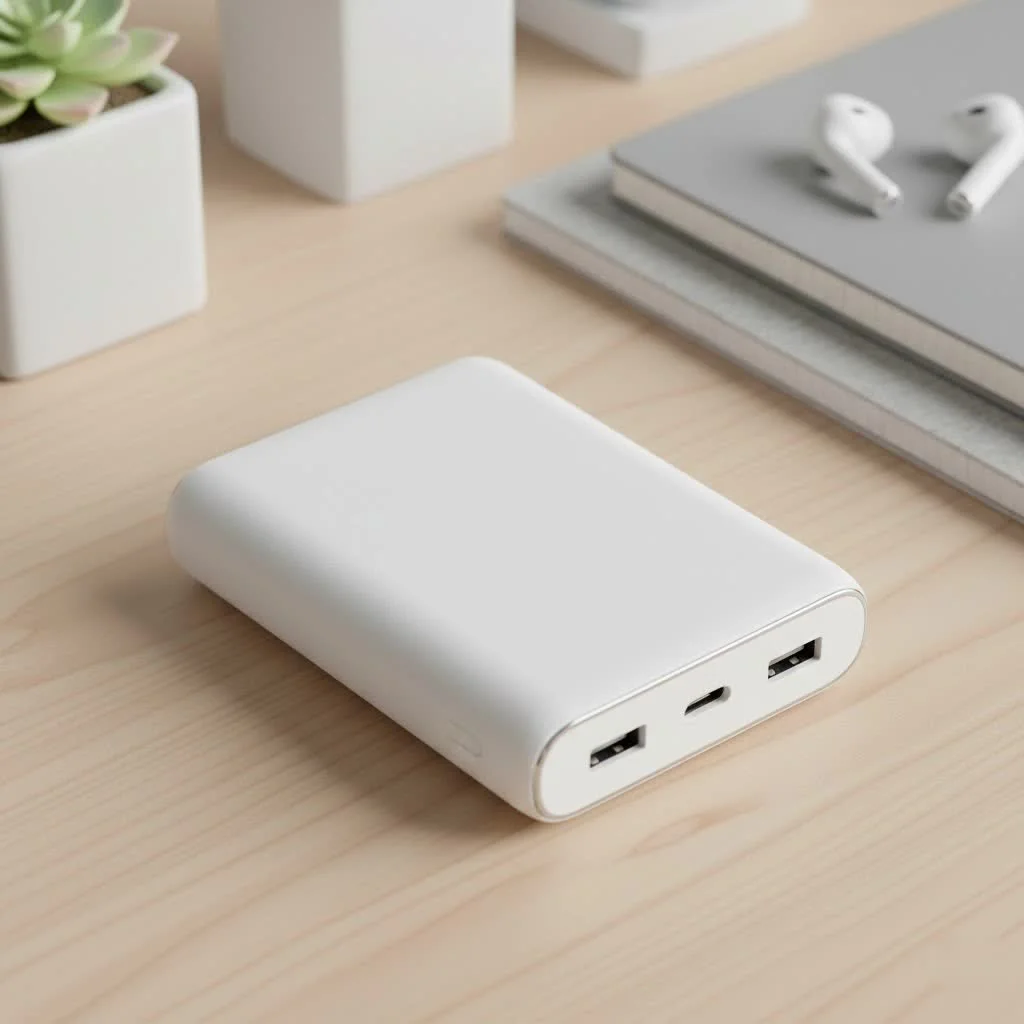
But with various models and technical specs, choosing the right one can feel daunting. As a power bank specialist with over a decade of experience, I’ve seen these devices evolve from simple phone chargers to robust power solutions. Let’s break down everything you need to know about the Jackery ecosystem to help you find the perfect fit for your adventures. For expert portable power reviews on this site.
What Exactly is a Jackery Power Bank?
First, let’s clear up a common point of confusion. While many people search for “Jackery power bank,” the term doesn’t quite capture the scale of what these devices do. A standard power bank might charge your phone a few times. A Jackery Portable Power Station, however, can power laptops, mini-fridges, drones, cameras, and even some medical equipment.
Think of it as a silent, fume-free, portable wall outlet. It houses a large lithium-ion battery and an inverter, which converts the battery’s DC power into the AC power your devices use. It’s essentially a compact, modern alternative to a traditional gas generator.
What Makes Jackery Stand Out from the Crowd?
Jackery has carved out a name for itself in a competitive market, and for good reason. Their focus on user-friendly design, reliability, and solar integration sets them apart.
Unmatched Simplicity and Design
Jackery power stations are designed with the average user in mind. They feature a sturdy, integrated handle, a clear LCD screen showing input, output, and remaining battery life, and logically arranged ports. There’s no complex setup; you just plug in and power on.
The Power of Solar Integration
This is where Jackery truly shines. Their power stations are designed to work seamlessly with their own line of SolarSaga solar panels. This combination creates a “solar generator,” allowing you to recharge your power station using only sunlight. This makes it a sustainable and endlessly renewable power source for long trips off-grid or extended emergencies.
Reliability and Safety
Safety is paramount when dealing with large batteries. Jackery incorporates a robust Battery Management System (BMS) that protects against:
- Over-voltage
- Short circuits
- Over-current
- Over-heating
This ensures both the longevity of the power station and the safety of the devices you connect to it.
Who is a Jackery Power Station For?
While anyone can benefit from having a backup power source, these devices are particularly invaluable for certain lifestyles and situations.
- Campers and RVers: Power your lights, portable fridge, speakers, and charge all your gadgets without needing a noisy gas generator or relying on campsite hookups.
- Outdoor Enthusiasts: For photographers, drone pilots, and adventurers, a Jackery ensures your gear is always ready to capture the next shot, no matter how remote your location.
- Home Backup: During a power outage, a Jackery can be a lifeline, keeping your router, lights, and small appliances running. It’s especially useful for powering essential medical devices like a CPAP machine.
- Remote Workers: Digital nomads can create a true office-anywhere setup, powering laptops, monitors, and more from a park, a van, or a remote cabin.
“A reliable power source is the backbone of any modern adventure or emergency plan,” notes Alex Peterson, a seasoned outdoor gear analyst. “Jackery has made off-grid power accessible and unintimidating, which is a huge win for everyone from casual campers to serious preppers.”
How to Choose the Right Jackery Power Bank for You
Selecting the right model comes down to understanding your specific power needs. Here are the key factors to consider:
1. Battery Capacity (Watt-hours)
|
Our Picks for the Best Power Bank in 2026
As an Amazon Associate I earn from qualifying purchases.
|
||
| Num | Product | Action |
|---|---|---|
| 1 | Anker Laptop Power Bank, 25,000mAh Portable Charger with Triple 100W USB-C Ports, Built-in Retractable Cables, Flight-Approved for Travel, iPhone 17/16 Series, MacBook, Samsung, and More |

|
| 2 | Anker Laptop Power Bank, 25,000mAh Portable Charger with Triple 100W USB-C Ports, Built-in Retractable Cables, Flight-Approved for Travel, iPhone 17/16 Series, MacBook, Samsung, and More |
|
| 3 | INIU Power Bank, 25000mAh 100W USB C Laptop Portable Charger, PD QC Fast Charging 3-Output Battery Pack, Travel Charger for Laptop MacBook iPad Tablet Steam Deck iPhone 17 16 15 14 Pro Samsung S25 etc |
|
| 4 | INIU Portable Charger, Smallest 22.5W 10000mAh Power Bank, USB C in/Output Fast Charging 3-Output Mini Battery Pack Charger with Phone Holder for iPhone 17 16 15 14 Air Samsung S23 Google iPad Tablet |
|
| 5 | UGREEN Power Bank 25,000mAh 145W Laptop Portable Charger, Nexode 3-Port USB C PD Battery Pack, for MacBook Pro/Air, Dell XPS, iPhone 17/16/15/14, Galaxy S24, Steam Deck, iPad, and More |
|
| 6 | Emergency Radio&22000mAh Solar Power Bank, FM NOAA Weather Radio, Portable Hand Crank Bluetooth Radio, 20W Fast Charge Wireless Phone Charger, SOS Flashlight for Emergency/Home |
|
| 7 | INIU Portable Charger, Slimmest Fast Charging 10000mAh USB C in/Out Power Bank, 22.5W PD3.0 QC4+ Battery Pack, Portable Phone Charger for iPhone 16 15 14 13 12 Pro Samsung S22 S21 Google AirPods iPad |
|
| 8 | Energizer Power Bank 20000mAh - USB-C 20W Outputs Fast Charging Battery Pack, USB-A 18W with 4 Outputs & LCD Screen for Android/iPhone 15 16 Plus Pro Max/iPad Tablet and etc_UE20063PQ |
|
| 9 | UGREEN Nexode Power Bank 20000mAh 165W with Built-in USB C Cable Laptop Travel Portable Charger, 100W Input, Fast Charging for MacBook Pro/Air/iPhone 17/16/iPad Pro/Galaxy S25 Ultra/Dell/HP and More |
|
| 10 | 90000mAh High Capacity Power Bank, 30W Fast Charging Portable Charger PD&QC 3.0, 5 Output 2 Input Large Powerbank with LED Display USB C Battery Pack Charger Portable for Outdoor Camping Travel |
|
Capacity is measured in Watt-hours (Wh), which tells you how much energy the station can store. A larger number means more power. To figure out what you need, look at the wattage of the devices you want to power and for how long.
- Small (Explorer 160/300): Perfect for weekend trips, charging phones, laptops, drones, and cameras.
- Medium (Explorer 500/1000): Ideal for longer trips or running small appliances like a portable fridge or a TV during a power outage.
- Large (Explorer 1500/2000 Pro): Designed for heavy-duty use, capable of powering microwaves, power tools, or multiple devices for extended periods.
2. Power Output (Watts)
This is the maximum amount of power the station can deliver at one time, measured in Watts (W). You need to ensure the station’s output wattage is higher than the combined wattage of the devices you plan to run simultaneously. Check the label on your appliances to find their wattage.
3. Port Selection
Consider what you’ll be plugging in. All Jackery models come with a variety of ports, but the number and type vary. Look for a mix of:
- AC Outlets: Standard three-prong wall outlets.
- USB-A Ports: For standard USB devices.
- USB-C Ports: For modern laptops, tablets, and phones.
- 12V Car Port: To power devices designed for a car’s cigarette lighter.
4. Solar Panel Compatibility
If you plan to be off-grid for more than a couple of days, solar charging is essential. Ensure the model you choose is compatible with the Jackery SolarSaga panels and consider buying them as a bundle to save money.
Frequently Asked Questions (FAQ)
What is the difference between a power bank and a Jackery power station?
A power bank is a small, portable battery designed primarily to charge small electronics like smartphones and tablets via USB. A Jackery power station is a much larger unit with higher capacity and multiple output types, including standard AC wall outlets, allowing it to power a wide range of appliances.
How long will a Jackery power station last on a full charge?
This depends entirely on what you’re powering. To get a rough estimate, divide the power station’s Watt-hours (Wh) by the wattage (W) of your device. For example, a Jackery Explorer 1000 (1002Wh) could power a 100W television for approximately 10 hours.
Can a Jackery power a full-sized refrigerator?
It depends on the model. A standard kitchen refrigerator requires a high startup wattage. A larger model like the Jackery Explorer 2000 Pro might be able to run it for a few hours, but these stations are better suited for smaller, energy-efficient portable coolers or mini-fridges.
How long does it take to recharge a Jackery with solar panels?
Recharge time varies based on the power station’s size, the wattage of the solar panels, and weather conditions. For example, recharging an Explorer 1000 with two SolarSaga 100W panels in direct sunlight can take around 8 hours.
Are Jackery power stations safe to use indoors?
Absolutely. Because they are battery-powered, they produce no emissions, fumes, or noise, making them completely safe for indoor use during a power outage. This is a major advantage over traditional gasoline generators.
Your Partner in Power
In today’s connected world, having access to power is having access to freedom, safety, and peace of mind. Whether you’re an avid adventurer seeking to explore further or a homeowner preparing for the unexpected, a Jackery power bank is more than just a gadget; it’s a reliable partner. By assessing your needs for capacity, output, and portability, you can confidently choose a model that will keep your world powered on, no matter where life takes you.
Get our weekly buyer guide
Practical specs, not advice. Unsubscribe anytime.