Hitting the road, whether for a weekend getaway or a month-long adventure, means relying on our devices more than ever. From navigating new cities with GPS to capturing memories and staying connected with loved ones, a dead battery is the modern traveler’s worst nightmare. That’s where a reliable travel power bank becomes not just a convenience, but an essential piece of gear. But with so many options on the market, how do you choose the right one? This guide will break down everything you need to know to find the perfect portable charger for your journeys, ensuring you stay powered up from takeoff to touchdown.
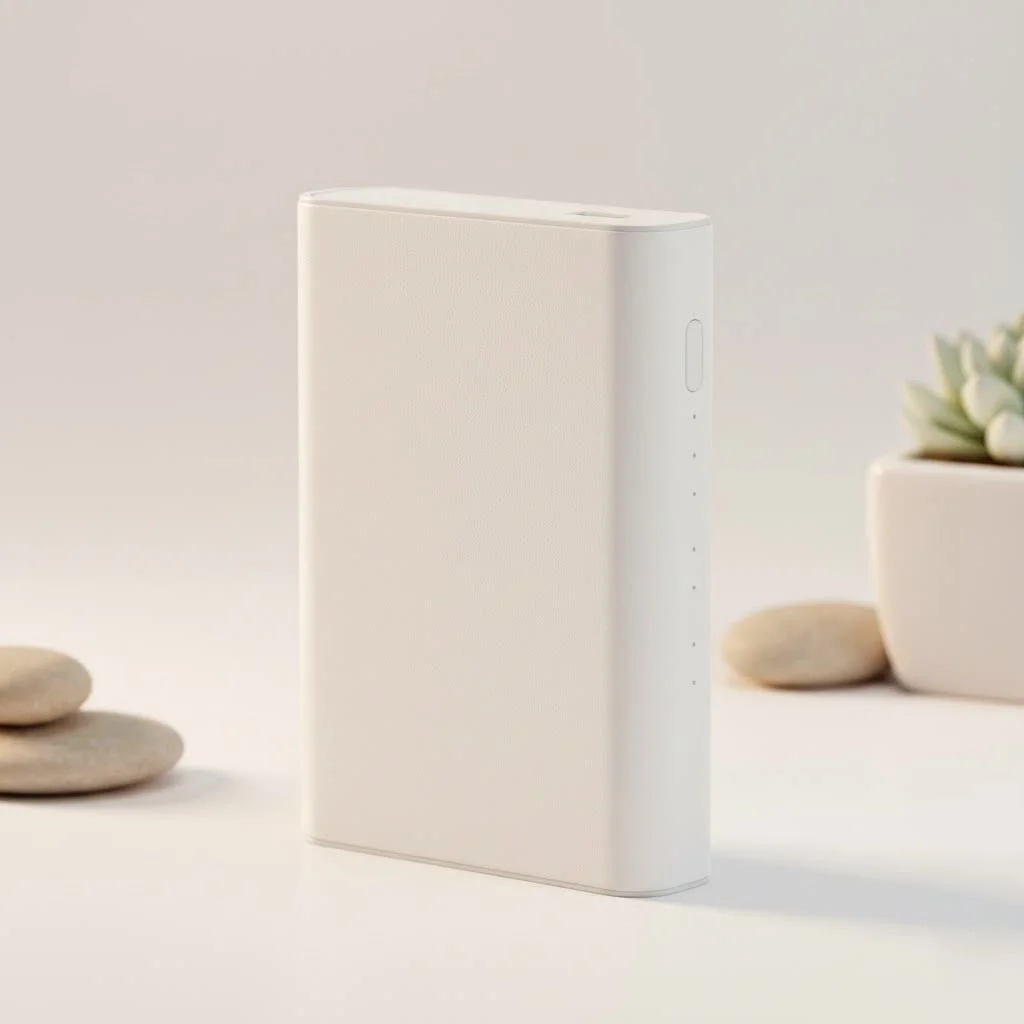
Why You Need a Specific Power Bank for Travel
You might think any old power bank will do, but travel imposes unique demands. A dedicated travel power bank is designed with the journey in mind, balancing capacity, size, weight, and crucial safety regulations. Unlike the bulky charger you might use at home, a travel model is optimized for portability and compliance with airline rules. It’s about having enough power without being weighed down or running into trouble at airport security.
Think of it as part of your essential travel toolkit, as important as your passport or a comfortable pair of shoes. It’s the difference between watching a movie on a long-haul flight and staring at a blank screen, or between navigating a foreign subway system with ease and being hopelessly lost with a dead phone.
How to Choose the Right Capacity (mAh)
The capacity of a power bank, measured in milliamp-hours (mAh), tells you how much juice it holds. More mAh means more charging power, but it also usually means more size and weight. The key is finding the sweet spot for your travel style.
-
Short Trips (1-2 days): 5,000 to 10,000 mAh
This range is perfect for a weekend away. A 10,000 mAh power bank is generally compact and can charge a modern smartphone like an iPhone 15 or Samsung Galaxy S24 about 1.5 to 2 times. It’s small enough to slip into a pocket or a small bag without hassle. -
Week-Long Travel (3-7 days): 10,000 to 20,000 mAh
For longer trips where you might be away from wall outlets for extended periods, this capacity is ideal. A 20,000 mAh unit can recharge a smartphone multiple times or even top up a tablet or other larger devices. This is the most popular category for frequent travelers. -
Extended Adventures or Multiple Devices: 20,000 mAh+
If you’re a digital nomad, a photographer with cameras and drones, or traveling with family, a higher capacity power bank is a lifesaver. These can keep multiple gadgets running for days. However, this is where you must pay close attention to airline regulations.
“A common mistake travelers make is buying the biggest power bank they can find, only to have it confiscated by airport security. Understanding the rules is just as important as understanding mAh.” – Alex Tran, Pvhao Tech Expert
What Size Power Bank Can I Take on a Plane?
This is the most critical question for any air traveler. Airline regulations, governed by authorities like the TSA and FAA, are based on Watt-hours (Wh), not mAh. The rule is simple:
You can carry on power banks that are 100Wh or less without needing airline approval.
Most airlines will allow you to carry on a power bank between 101Wh and 160Wh with prior approval, but anything over 160Wh is strictly forbidden. Power banks must be in your carry-on luggage, never in checked baggage, due to fire safety risks.
How to Calculate Watt-hours
|
Our Picks for the Best Power Bank in 2026
As an Amazon Associate I earn from qualifying purchases.
|
||
| Num | Product | Action |
|---|---|---|
| 1 | INIU Portable Charger, Smallest 22.5W 10000mAh Power Bank, USB C in/Output Fast Charging 3-Output Mini Battery Pack Charger with Phone Holder for iPhone 17 16 15 14 Air Samsung S23 Google iPad Tablet |

|
| 2 | INIU Portable Charger, Slimmest Fast Charging 10000mAh USB C in/Out Power Bank, 22.5W PD3.0 QC4+ Battery Pack, Portable Phone Charger for iPhone 16 15 14 13 12 Pro Samsung S22 S21 Google AirPods iPad |
|
| 3 | 90000mAh High Capacity Power Bank, 30W Fast Charging Portable Charger PD&QC 3.0, 5 Output 2 Input Large Powerbank with LED Display USB C Battery Pack Charger Portable for Outdoor Camping Travel |
|
| 4 | UGREEN Nexode Power Bank 20000mAh 165W with Built-in USB C Cable Laptop Travel Portable Charger, 100W Input, Fast Charging for MacBook Pro/Air/iPhone 17/16/iPad Pro/Galaxy S25 Ultra/Dell/HP and More |
|
| 5 | Emergency Radio&22000mAh Solar Power Bank, FM NOAA Weather Radio, Portable Hand Crank Bluetooth Radio, 20W Fast Charge Wireless Phone Charger, SOS Flashlight for Emergency/Home |
|
| 6 | Energizer Power Bank 20000mAh - USB-C 20W Outputs Fast Charging Battery Pack, USB-A 18W with 4 Outputs & LCD Screen for Android/iPhone 15 16 Plus Pro Max/iPad Tablet and etc_UE20063PQ |
|
| 7 | INIU Power Bank, 25000mAh 100W USB C Laptop Portable Charger, PD QC Fast Charging 3-Output Battery Pack, Travel Charger for Laptop MacBook iPad Tablet Steam Deck iPhone 17 16 15 14 Pro Samsung S25 etc |
|
| 8 | UGREEN Power Bank 25,000mAh 145W Laptop Portable Charger, Nexode 3-Port USB C PD Battery Pack, for MacBook Pro/Air, Dell XPS, iPhone 17/16/15/14, Galaxy S24, Steam Deck, iPad, and More |
|
| 9 | Anker Laptop Power Bank, 25,000mAh Portable Charger with Triple 100W USB-C Ports, Built-in Retractable Cables, Flight-Approved for Travel, iPhone 17/16 Series, MacBook, Samsung, and More |
|
| 10 | Anker Laptop Power Bank, 25,000mAh Portable Charger with Triple 100W USB-C Ports, Built-in Retractable Cables, Flight-Approved for Travel, iPhone 17/16 Series, MacBook, Samsung, and More |
|
Don’t worry, you don’t need to be a math whiz. The formula is straightforward, and the Wh is often printed on the device itself.
Watt-hours (Wh) = (mAh / 1000) x Voltage (V)
The standard voltage for most power banks is 3.7V. So, for a 20,000 mAh power bank:
(20,000 / 1000) x 3.7V = 74Wh
This is well under the 100Wh limit, which is why power banks up to around 26,800 mAh are generally considered safe for air travel.
Key Features to Look for in a Travel Power Bank
Beyond capacity and airline compliance, several other features separate a great travel power bank from a mediocre one.
Size and Weight
For travel, every ounce and inch counts. Look for a power bank that uses high-density battery cells, which offer more power in a smaller, lighter package. A compact design that fits easily into your carry-on or daypack is essential.
Ports and Connectivity
The types and number of ports determine how many devices you can charge and how quickly.
- USB-A: The traditional, standard port. Still useful for many cables.
- USB-C: The modern standard. Look for a USB-C port that supports both Power Delivery (PD) for input and output. This allows you to charge your devices and the power bank itself much faster.
- Multiple Ports: Having at least two ports (e.g., one USB-A and one USB-C) is incredibly useful for charging your phone and headphones simultaneously.
Charging Speed
Fast charging technology is a game-changer when you’re on the move. Look for terms like:
- Power Delivery (PD): This is the fast-charging standard for most modern devices, including iPhones, Android phones, and even laptops. A PD-enabled travel power bank can charge a compatible phone to 50% in about 30 minutes.
- Quick Charge (QC): A similar standard developed by Qualcomm, common in many Android devices.
Pass-Through Charging
This handy feature allows you to charge the power bank while it is simultaneously charging another device. It’s perfect for overnight charging in a hotel room with limited outlets—just plug the power bank into the wall and your phone into the power bank.
Frequently Asked Questions (FAQ)
Q: Can I bring a 30,000 mAh power bank on a plane?
A: It’s risky. A 30,000 mAh power bank is approximately 111Wh, which is over the 100Wh limit and requires airline approval. It’s safer to stick with a power bank around 26,800 mAh or less to avoid any issues.
Q: Do I need a special power bank for international travel?
A: Not necessarily, as the power bank itself works universally. However, you will need the correct wall adapter for the country you’re visiting to recharge the power bank from a wall outlet.
Q: What is the best travel power bank?
A: The “best” one depends entirely on your needs. For most people, a 10,000-20,000 mAh power bank with at least one USB-C PD port offers the best balance of power, portability, and fast charging for travel.
Q: Can a power bank charge my laptop?
A: Yes, but only if it has a high enough power output. You’ll need a power bank with a USB-C PD port that can deliver at least 45W-60W, and it should have a capacity of at least 20,000 mAh to provide a meaningful charge.
Q: How many power banks can I bring on a flight?
A: While regulations focus on the capacity of a single power bank, some airlines have a limit on the total number of lithium-ion batteries you can carry, often around two. Always check with your specific airline before flying if you plan to carry multiple units.
Your Journey, Your Power
Choosing the right travel power bank is a small decision that makes a huge impact on your travels. By focusing on the right capacity for your trip, understanding airline regulations, and prioritizing key features like size, ports, and charging speed, you can invest in a device that will keep you connected and stress-free. No more hunting for outlets in crowded airports or worrying about your phone dying before you can pull up your hotel reservation. With the perfect power bank in your bag, you’re free to focus on what truly matters: the adventure ahead.
Get our weekly buyer guide
Practical specs, not advice. Unsubscribe anytime.

The advice about checking airline safety regulations for power banks was super helpful! I almost bought a really high-capacity one without realizing it might have issues for carry-on. Ended up getting a compliant one and it worked perfectly for my international trip. No more dead phone nightmares while trying to find my way around a new city.
I used to dread long flights because my phone would always die halfway through, but after reading about the importance of capacity for travel, I invested in a 20,000mAh power bank. It’s been a game-changer! I can charge my phone multiple times and even give my tablet a boost. Definitely an essential for any trip.
I picked up one of the smaller, lighter power banks mentioned for my backpacking trip, specifically looking for something that wouldn’t add much weight. It’s great for keeping my phone charged for GPS and photos. My only minor gripe is that it only has one USB-A port, so I can’t charge two devices simultaneously, but for its size, it’s still super convenient.
I got a power bank that was in the mid-range price point, hoping for a good balance of features. It works fine for charging my phone, but I found the charging speed to be a bit slower than I expected, especially when trying to power up my tablet. It gets the job done, but I might look for something with faster charging next time.