Running out of battery at a critical moment is a modern-day nightmare. Whether you’re navigating a new city, closing a deal, or just trying to stay connected, a dead phone can bring everything to a halt. That’s where a reliable portable charger comes in. But with thousands of options flooding the market, how do you find the Best Power Bank Charger for your needs? It’s not just about picking the one with the biggest number; it’s about matching capacity, speed, and portability to your lifestyle.
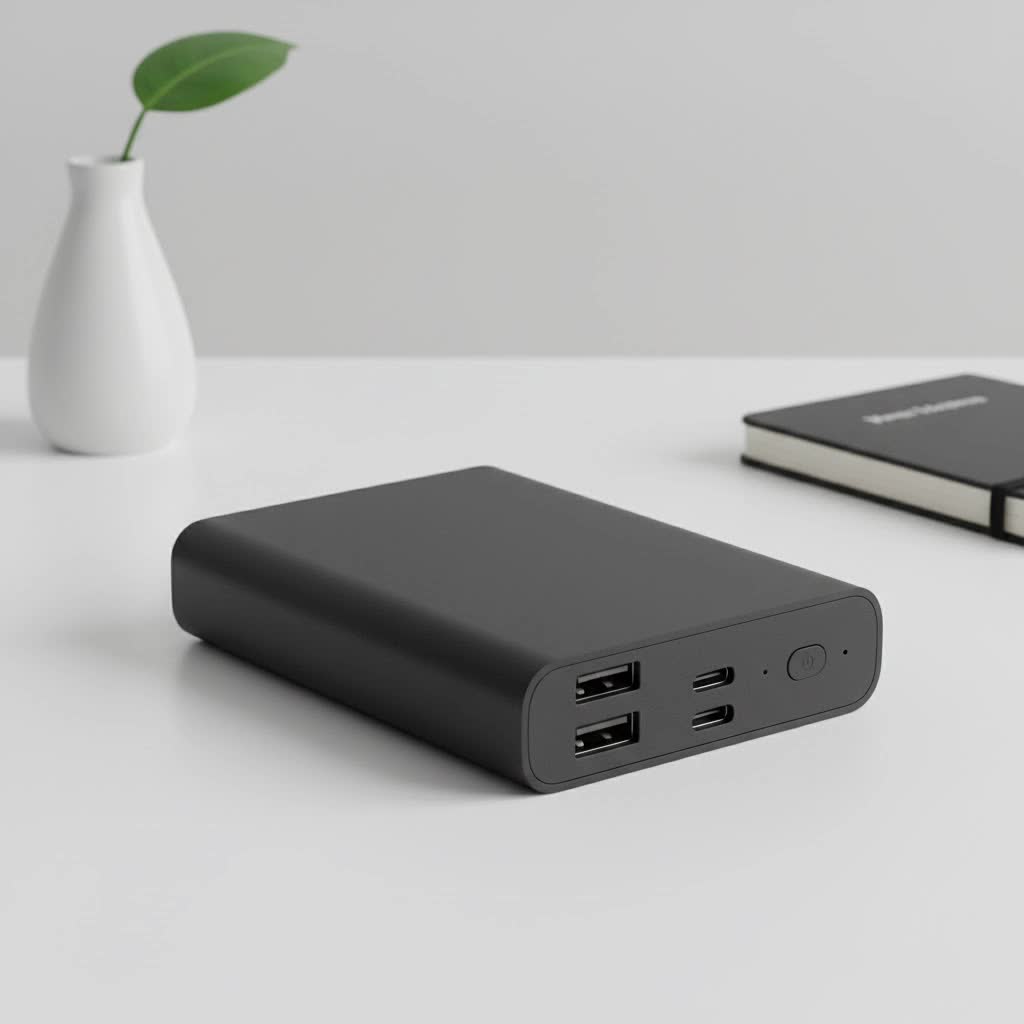
As the founder of pvhao.com and a decade-long veteran in the portable power industry, I’ve tested hundreds of devices. My goal is to cut through the confusing jargon and help you find a power bank that won’t let you down. This guide breaks down everything you need to know, from understanding capacity to decoding charging technologies, so you can make a confident and informed choice.
How to Choose the Best Power Bank Charger
Before you even look at specific models, you need to understand the key features that separate a great power bank from a paperweight. Think of it like buying a car; you wouldn’t just look at the color, you’d check the engine, fuel efficiency, and size.
1. Capacity (mAh): How Much Juice Do You Need?
Capacity, measured in milliamp-hours (mAh), is the most advertised feature, but it can be misleading. It tells you how much energy the power bank’s internal battery holds. A simple way to estimate is to compare it to your phone’s battery capacity.
- Small (Up to 5,000 mAh): Perfect for a quick emergency boost. These are typically lipstick-sized and can give most smartphones about one full charge. Ideal for a night out or a short commute.
- Medium (10,000 mAh): This is the sweet spot for daily use. A 10,000 mAh power bank is usually compact enough for a bag or pocket and can charge a modern smartphone like an iPhone 15 or Samsung Galaxy S24 about two times.
- Large (20,000 mAh): If you’re a heavy user, traveling, or need to charge multiple devices (like a phone and a tablet), this is your go-to. It offers multiple charges but comes with increased size and weight.
- Extra Large (Over 20,000 mAh): These are powerhouses, often capable of charging laptops via USB-C. They are essential for long trips, camping, or professionals working on the go, but they are bulky and often have restrictions for air travel.
|
Our Picks for the Best Power Bank in 2026
As an Amazon Associate I earn from qualifying purchases.
|
||
| Num | Product | Action |
|---|---|---|
| 1 | INIU Power Bank, 25000mAh 100W USB C Laptop Portable Charger, PD QC Fast Charging 3-Output Battery Pack, Travel Charger for Laptop MacBook iPad Tablet Steam Deck iPhone 17 16 15 14 Pro Samsung S25 etc |

|
| 2 | 90000mAh High Capacity Power Bank, 30W Fast Charging Portable Charger PD&QC 3.0, 5 Output 2 Input Large Powerbank with LED Display USB C Battery Pack Charger Portable for Outdoor Camping Travel |
|
| 3 | INIU Portable Charger, Smallest 22.5W 10000mAh Power Bank, USB C in/Output Fast Charging 3-Output Mini Battery Pack Charger with Phone Holder for iPhone 17 16 15 14 Air Samsung S23 Google iPad Tablet |
|
| 4 | INIU Portable Charger, Slimmest Fast Charging 10000mAh USB C in/Out Power Bank, 22.5W PD3.0 QC4+ Battery Pack, Portable Phone Charger for iPhone 16 15 14 13 12 Pro Samsung S22 S21 Google AirPods iPad |
|
| 5 | Emergency Radio&22000mAh Solar Power Bank, FM NOAA Weather Radio, Portable Hand Crank Bluetooth Radio, 20W Fast Charge Wireless Phone Charger, SOS Flashlight for Emergency/Home |
|
| 6 | UGREEN Power Bank 25,000mAh 145W Laptop Portable Charger, Nexode 3-Port USB C PD Battery Pack, for MacBook Pro/Air, Dell XPS, iPhone 17/16/15/14, Galaxy S24, Steam Deck, iPad, and More |
|
| 7 | Anker Laptop Power Bank, 25,000mAh Portable Charger with Triple 100W USB-C Ports, Built-in Retractable Cables, Flight-Approved for Travel, iPhone 17/16 Series, MacBook, Samsung, and More |
|
| 8 | Energizer Power Bank 20000mAh - USB-C 20W Outputs Fast Charging Battery Pack, USB-A 18W with 4 Outputs & LCD Screen for Android/iPhone 15 16 Plus Pro Max/iPad Tablet and etc_UE20063PQ |
|
| 9 | UGREEN Nexode Power Bank 20000mAh 165W with Built-in USB C Cable Laptop Travel Portable Charger, 100W Input, Fast Charging for MacBook Pro/Air/iPhone 17/16/iPad Pro/Galaxy S25 Ultra/Dell/HP and More |
|
| 10 | Anker Laptop Power Bank, 25,000mAh Portable Charger with Triple 100W USB-C Ports, Built-in Retractable Cables, Flight-Approved for Travel, iPhone 17/16 Series, MacBook, Samsung, and More |
|
Expert Tip: “Don’t forget about energy efficiency,” notes power expert David Chen. “A power bank loses some energy during the transfer process. A good quality 10,000 mAh unit will deliver about 6,500-7,000 mAh to your device. Cheaper, unbranded models often have much lower efficiency.”
2. Charging Speed: Ports and Protocols
A giant power bank is useless if it takes all day to charge your phone. Speed is determined by the output ports and the charging technologies they support.
- USB-A: The classic rectangular port. Standard USB-A provides a slow charge (around 5W). Look for support for fast-charging standards like Qualcomm Quick Charge (QC) if you have an Android device.
- USB-C: The modern oval-shaped port. This is the new standard. A USB-C port with Power Delivery (PD) is the fastest way to charge most modern devices, including iPhones, Android phones, and even laptops. For the best power bank charger, a USB-C PD port is non-negotiable. It can deliver power from 18W all the way up to 100W or more.
- Wireless Charging (Qi): Many newer power banks offer a wireless charging pad on the surface. It’s incredibly convenient—just place your phone on top. The downside is that it’s slower than wired charging and less efficient. Some models incorporate MagSafe compatibility for a secure magnetic connection with newer iPhones.
3. Size, Weight, and Portability
The most powerful charger is useless if you leave it at home because it’s too heavy. Your ideal power bank should fit your daily routine. If you carry a small purse, a slim, pocket-sized model is best. If you commute with a backpack, you can afford the extra bulk of a 20,000 mAh model. Always check the dimensions and weight before buying.
4. Safety Features
A quality power bank is an investment in protecting your expensive devices. Never cheap out on an uncertified charger. Look for safety features that protect against:
- Overcharging
- Over-discharging
- Short-circuiting
- Overheating
Reputable brands invest heavily in these safety certifications to ensure both the power bank and your connected devices are safe.
Top Power Bank Charger Picks for 2025
After extensive testing, here are our recommendations for different needs.
Best Overall: Anker PowerCore 10K PD
The Anker PowerCore 10K PD is a masterclass in balance. Its 10,000 mAh capacity is perfect for daily use, providing over two full charges for most smartphones. The 20W USB-C Power Delivery port charges an iPhone to 50% in about 30 minutes. It’s compact, lightweight, and built with Anker’s renowned reliability and MultiProtect safety system. For the average user, this is the best power bank charger you can buy.
Best for Laptops and Power Users: Belkin BoostCharge Pro 20K
When you need serious power, the Belkin BoostCharge Pro 20K delivers. With a massive 20,000 mAh capacity, it can keep your phone, tablet, and even a MacBook Air running for an entire weekend. Its key feature is the high-output USB-C PD port that can deliver up to 65W, enough to charge many laptops at a respectable speed. It’s heavier, but for digital nomads and frequent flyers, it’s a mobile office in your pocket.
Best for Portability: Mophie Powerstation Mini
The Mophie Powerstation Mini is designed for those who value space above all else. Its slim, pocket-friendly design and 5,000 mAh capacity make it the perfect companion for a night out or a quick trip. While it won’t last you a weekend, it provides that crucial extra charge to get you through the day without weighing you down. The premium aluminum finish also gives it a stylish look and feel.
Best for Wireless Convenience: Anker 622 Magnetic Battery (MagGo)
For iPhone 12 users and newer, the Anker 622 is a game-changer. This 5,000 mAh battery snaps magnetically onto the back of your phone, providing a seamless wireless charge without any cables. It also features a clever built-in kickstand for watching videos while you power up. It’s the ultimate in convenience and a perfect example of smart, user-focused design.
Frequently Asked Questions (FAQ)
What does mAh really mean?
mAh stands for milliamp-hours. It measures electric charge and represents the capacity of the battery. A higher mAh number means the power bank holds more energy and can provide more recharges to your devices.
Can I take my power bank on an airplane?
Yes, but with restrictions. Most airlines limit power banks to 100-watt-hours (Wh), which is roughly 27,000 mAh. You must carry them in your carry-on luggage, not in checked bags. Always check with your specific airline before flying.
Is it safe to charge my phone overnight with a power bank?
With a reputable power bank, yes. Quality brands include safety mechanisms that stop the charging process once your device’s battery is full, preventing overcharging and potential damage.
How many times can a 10,000 mAh power bank charge my phone?
It depends on your phone’s battery size and the power bank’s efficiency. As a rule of thumb, a good quality 10,000 mAh power bank can charge a typical smartphone (with a ~4,000 mAh battery) about 1.5 to 2 times.
What is the difference between Power Delivery (PD) and Quick Charge (QC)?
They are both fast-charging technologies. Power Delivery (PD) is an open standard primarily used with USB-C, common for iPhones, Google Pixels, and laptops. Quick Charge (QC) is a proprietary technology from Qualcomm, found in many Android phones. Many power banks now support both.
The Final Charge
Choosing the best power bank charger doesn’t have to be complicated. By focusing on your personal needs—capacity for your daily use, speed for your specific devices, and a size that fits your lifestyle—you can find the perfect portable power solution. Brands like Anker, Belkin, and Mophie consistently deliver on safety and performance, making them a great place to start your search. Armed with this knowledge, you can confidently invest in a charger that will keep you powered up and connected, no matter where your day takes you.
